NeuroVera Ingredients: Formula, Amounts & Evidence Explained
See NeuroVera’s six-ingredient formula, reported amounts, human research and where ingredient evidence differs from the finished supplement.
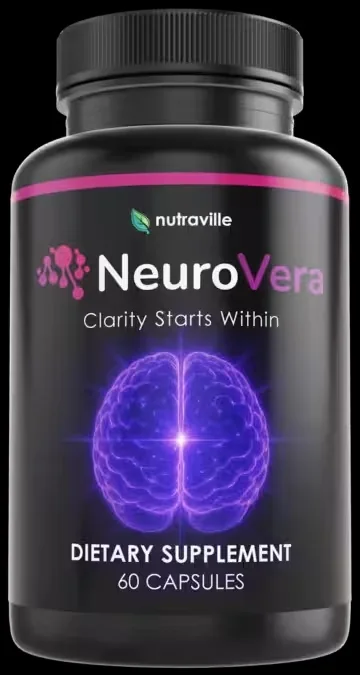
| Ingredient | Reported amount | Evidence context |
|---|---|---|
| Lion’s Mane | 500 mg | Human research exists, but studied preparations and doses differ. |
| Schisandra fruit extract 10:1 | 250 mg | Direct randomized cognition evidence is limited. |
| Gotu Kola | 200 mg | Human research exists; pooled cognitive benefit remains unclear. |
| Bacopa extract | 100 mg | Human trials exist, commonly using different extracts/doses. |
| Shilajit extract | 75 mg | Direct human cognition evidence is limited. |
| DHA 10% | 25 mg | DHA has human research, but the label wording and dose create a major comparison gap. |
How to Interpret This Formula
An ingredient name is only the beginning. For botanical research, the plant part, extract, standardization, dose and duration can matter. For DHA, the phrase “DHA 10% 25 mg” should not be silently interpreted as 25 mg of pure DHA without clearer label context.
Bacopa Monnieri
Bacopa has randomized human trials and systematic reviews, with some favorable findings for memory-related outcomes. Many studies used roughly 300–450 mg/day of specific extracts over weeks or months. NeuroVera reports 100 mg, so the research is relevant but not directly equivalent.
Bacopa evidence review →Lion’s Mane
Small human trials have reported cognitive signals, including research in older adults with mild cognitive impairment. Preparations and doses differ substantially from a simple 500 mg label comparison.
Lion’s Mane evidence review →Gotu Kola
A systematic review found no convincing pooled cognitive-domain benefit versus placebo in the available Centella asiatica trials, though some secondary signals were reported. This is a good example of why traditional use and clinical proof are different questions.
Gotu Kola evidence review →DHA
DHA is biologically important to the brain, but supplementation trials have produced mixed cognitive results. NeuroVera’s reported DHA component is also far below the hundreds-of-milligrams doses used in many trials, making direct extrapolation inappropriate.
DHA evidence review →Schisandra and Shilajit
Both have traditional-use and mechanistic literature, but during our evidence review we did not find comparably strong randomized human cognition evidence to justify standalone cognitive-efficacy pages. We therefore keep the language limited rather than filling the gap with animal or marketing evidence.
Sources & References
- Current NeuroVera seller page
- Pase et al. 2012 — Bacopa systematic review (PubMed)
- Kongkeaw et al. 2014 — Bacopa meta-analysis (PubMed)
- Mori et al. — Lion’s Mane and mild cognitive impairment (PubMed)
- Puttarak et al. — Centella asiatica systematic review (PubMed)
- Yurko-Mauro et al. — DHA and age-related cognitive decline (PubMed)
- Meta-analysis of DHA/EPA and cognition (PubMed)
Product pages are used for seller-reported facts such as current formula, price and guarantee. They are not treated as independent proof of effectiveness.